Bobotie: A Taste of Cape Malay Heritage
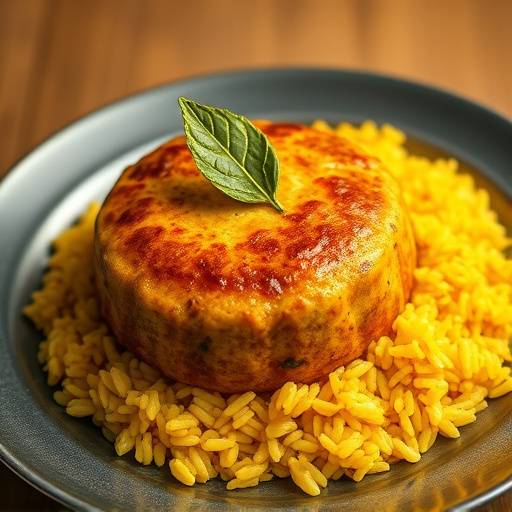
Bobotie, a dish with roots in Cape Malay cuisine, is a fragrant and flavorful baked minced meat dish. It’s often described as South Africa's national dish. The story of Bobotie is as rich and complex as its taste. It originated in the Dutch East India Company’s colony in Cape Town, with influences from Indonesian and Dutch cooking traditions. The name "Bobotie" is believed to derive from the Malay word "boemboe," referring to spices.
Traditional Bobotie recipes call for minced beef or lamb, spiced with curry powder, turmeric, dried herbs, and fruit chutney. An egg-based topping is then poured over the meat mixture before baking, creating a golden-brown crust. It’s commonly served with yellow rice, chutney, and sliced bananas. Variations exist throughout South Africa, with some families adding almonds, raisins, or apples to the meat mixture for added texture and sweetness. The dish perfectly encapsulates the diverse culinary influences that have shaped South African cuisine.
The unique blend of sweet and savory flavors makes Bobotie a truly memorable dish. The curry powder provides warmth and depth, while the chutney adds a touch of fruity sweetness. The egg topping adds richness and binds all the flavors together. Bobotie is not just a meal; it’s a celebration of South Africa's multicultural heritage, offering a taste of history with every bite.
Biltong: South Africa's Favorite Dried Meat Snack
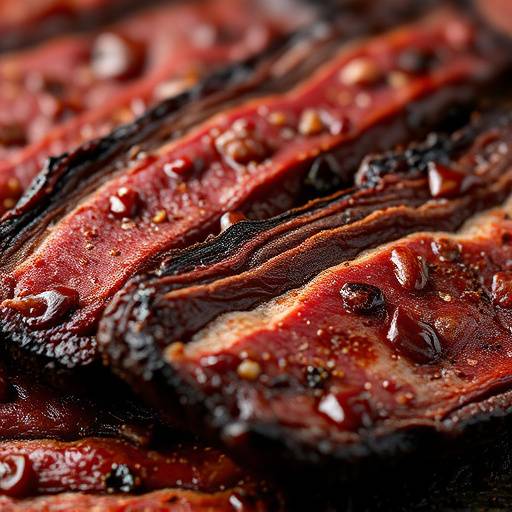
Biltong is a form of dried, cured meat that originated in South Africa. Different from jerky, biltong is typically thicker and cured using vinegar, salt, and spices, rather than being smoked. It’s a popular snack and a significant part of South African culture. The word "biltong" is derived from the Dutch words "bil" (buttock) and "tong" (strip or tongue), referring to the cuts of meat traditionally used.
The history of biltong dates back to the Voortrekkers, Dutch-speaking settlers who migrated inland during the Great Trek in the 1830s. They needed a way to preserve meat during their long journeys, and biltong proved to be an effective solution. The meat was typically air-dried for several days, allowing it to develop a unique flavor and texture. Today, biltong is enjoyed by South Africans of all backgrounds and is even gaining popularity worldwide.
Biltong can be made from a variety of meats, including beef, game meats (such as kudu and springbok), and even ostrich. The most common spices used in biltong include coriander, black pepper, salt, and vinegar. Some recipes also call for brown sugar or other flavorings. The meat is typically marinated in the spice mixture for several hours before being hung to dry. The drying process can take anywhere from a few days to a week, depending on the thickness of the meat and the desired level of dryness.
Whether enjoyed as a snack, a hiking fuel, or a component in gourmet meals, biltong offers a uniquely South African flavor profile. Its savory, salty, and slightly tangy taste, coupled with its chewy texture, makes it an irresistible treat. It's a must-try for anyone looking to experience authentic South African cuisine.
Bunny Chow: A Durban Curry Delight
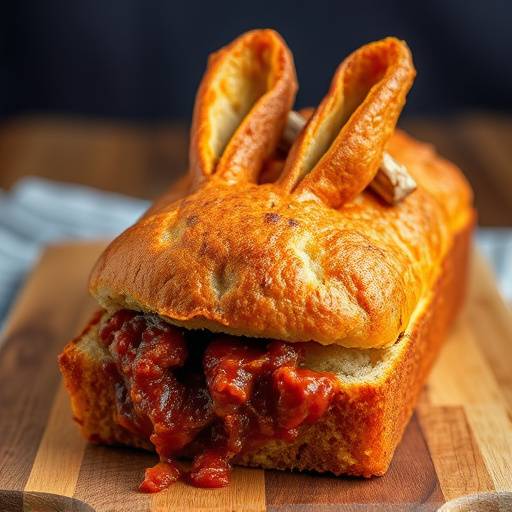
Bunny Chow is a South African fast food dish consisting of a hollowed-out loaf of bread filled with curry. Originating in Durban, it’s a popular street food item, particularly among the Indian community. Despite its name, it doesn't contain rabbit. The name's origin is debated, but one popular theory suggests it was created by Indian workers during apartheid who were not allowed to eat in restaurants, so they had the curry served in a loaf of bread for easy takeaway.
The curry used in Bunny Chow can vary widely, but common options include mutton, chicken, and bean curry. The bread is typically white bread, and the loaf is hollowed out to create a "container" for the curry. The soaked bread acts as a perfect complement to the flavorful curry. A small portion of the bread that was removed is often placed on top to act as a "lid."
Eating Bunny Chow is an experience in itself. It's typically eaten with the hands, using the bread to scoop up the curry. The bread soaks up the delicious sauce, creating a satisfying and flavorful meal. Bunny Chow is a testament to the resourcefulness and culinary creativity of South Africa's diverse communities.
Bunny Chow has become a cultural icon in Durban and throughout South Africa, offering a unique and delicious way to experience the flavors of Durban Indian cuisine. It is a must-try for anyone visiting the region and looking for an authentic taste of local flavor.
Potjiekos: The Art of One-Pot Cooking
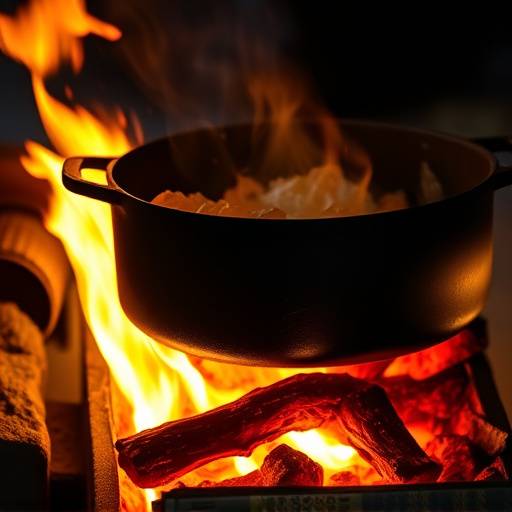
Potjiekos (pronounced poy-kee-kohs) is a traditional South African stew cooked in a three-legged cast iron pot (a potjie) over an open fire. The name literally means "small pot food" and it’s a social gathering as much as it is a meal. Potjiekos is a celebration of community and slow-cooked flavors.
The history of potjiekos can be traced back to the early Dutch settlers in South Africa. The Voortrekkers used potjies to cook meals during their long journeys, utilizing whatever ingredients they could find along the way. The potjie became a symbol of resourcefulness and adaptability, and the tradition has been passed down through generations.
The ingredients used in potjiekos can vary widely, but typically include meat (such as beef, lamb, or chicken), vegetables (such as potatoes, carrots, and onions), and spices. The ingredients are layered in the pot, with the meat at the bottom and the vegetables on top. Liquid, such as stock or beer, is added to the pot, and the mixture is left to simmer over low heat for several hours. The slow cooking process allows the flavors to meld together, creating a rich and complex stew.
Making potjiekos is an art form, and there are many different techniques and philosophies. Some cooks believe in layering the ingredients without stirring, while others prefer to stir the pot occasionally. Regardless of the method, the key is to be patient and let the flavors develop over time. Potjiekos is more than just a meal; it’s an experience to be shared with friends and family, celebrating the rich culinary heritage of South Africa.
Boerewors: A South African Sausage Staple
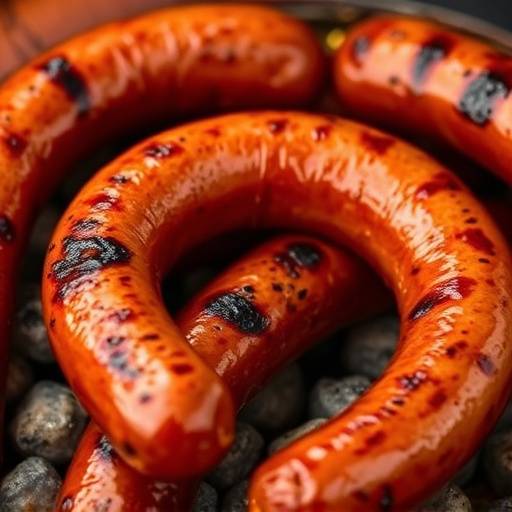
Boerewors, meaning "farmer's sausage" in Afrikaans, is a traditional South African sausage. It's a thick, coiled sausage, typically made from beef, but can include pork or lamb. The blend of spices and the distinctive coriander flavor make it uniquely South African.
Boerewors has its roots in the early days of the Afrikaner farmers. They needed a way to preserve meat, and sausage-making became a practical solution. The spices used in boerewors were often sourced locally, contributing to its distinctive flavor profile. Today, boerewors is a staple at braais (barbecues) throughout South Africa and is regarded as a quintessential South African food.
The ingredients of boerewors are carefully regulated. By South African law, boerewors must contain at least 90% meat, with the remainder consisting of spices and other ingredients. The fat content is also regulated. The sausage is typically spiced with coriander, black pepper, nutmeg, and cloves. Vinegar is often added for preservation and flavor.
Boerewors is usually cooked on a braai, although it can also be fried or grilled. It is typically served in a bread roll with tomato sauce and onions, or as part of a larger meal. Boerewors is a celebration of South African culture and heritage, offering a taste of tradition with every bite. It is an essential part of the South African culinary landscape, enjoyed by people of all backgrounds.
Chakalaka: A Spicy South African Relish
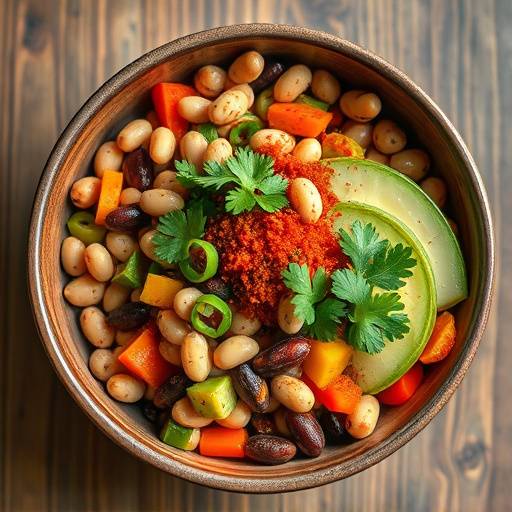
Chakalaka is a spicy South African vegetable relish, often made with beans, tomatoes, onions, carrots, and chili peppers. It's a versatile condiment that adds a kick to any meal and is frequently served with bread, pap (maize porridge), or grilled meats. The origins of chakalaka are believed to be in the townships of Johannesburg, where it was created as a flavorful and affordable side dish.
The exact ingredients and preparation methods for chakalaka vary from region to region and family to family. Some recipes call for curry powder, while others emphasize the heat of chili peppers. Beans are a common ingredient, providing substance and texture. Tomatoes, onions, and carrots add sweetness and flavor. Chakalaka is often cooked slowly to allow the flavors to meld together and deepen.
Chakalaka is more than just a condiment; it's a symbol of South African resilience and creativity. It's a dish that was born out of necessity and has become a beloved part of South African cuisine. Its bold flavors and vibrant colors reflect the diverse and dynamic culture of the country. Whether served as a side dish, a relish, or a topping, chakalaka adds a touch of South African flair to any meal.
This spicy and flavorful relish encapsulates the spirit of South African cuisine. It's a testament to the resourcefulness and culinary creativity of its people, offering a taste of tradition and innovation in every bite.